

Reveals safety‑relevant conditions that statistical models smooth over, average out, or fail to represent entirely.
Produces safety‑critical outputs without generative shortcuts, inference drift, or hallucinated intermediates.
Identifies failure‑driving conditions that fixed‑rule, physics‑based models cannot capture or resolve.

Identify Failure Before It Becomes a Phase I Disaster.
Legacy statistical and deterministic models miss the mechanistic pathways that cause early‑stage collapse. Teams move forward blind — until biology exposes the flaw.
A‑Flux computes the failure modes no existing model can see.
Identifies failure‑driving conditions that expose where statistical and deterministic models cannot agree or hold.
Computes failure‑driving conditions for populations where datasets are sparse and conventional models produce noise, gaps, or contradictions.
Produces safety‑critical results without relying on statistical inference, training data, or generative shortcuts.
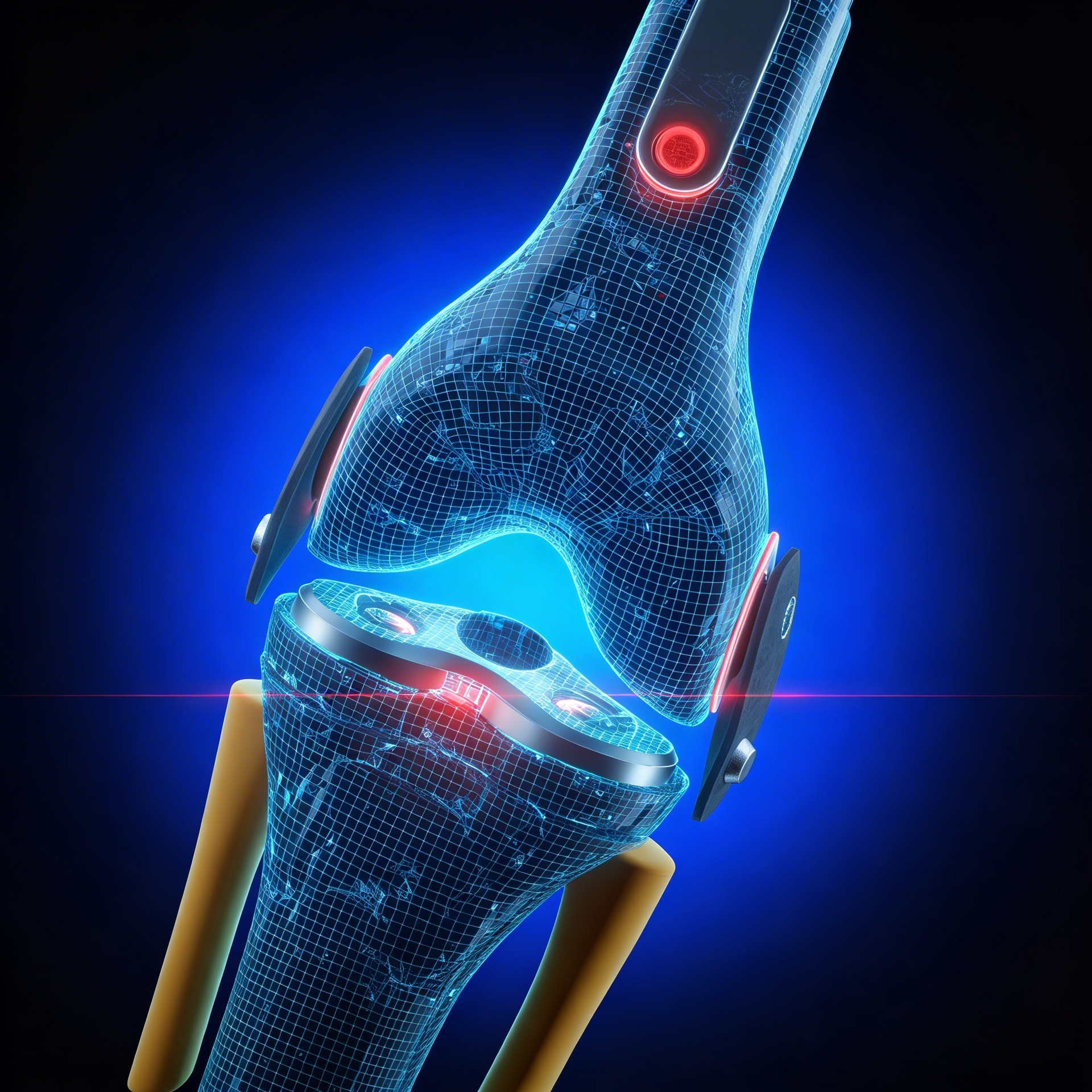
Identify Failure Before It Becomes a Field‑Use Disaster.
Legacy statistical and deterministic models miss the biological conditions that drive early device failure. Teams move forward blind — until tissue response exposes the flaw.
A‑Flux computes the failure modes no existing model can see.
Identifies biological conditions where standard ISO 10993 assays and deterministic models diverge — revealing failure‑driving risks that conventional testing cannot resolve.
Evaluates device‑tissue response across diverse patient profiles, providing clarity where real‑world data is sparse and traditional models produce noise, gaps, or contradiction.
Generates safety‑critical insights without relying on statistical inference, historical datasets, or generative shortcuts — enabling regulator‑aligned evidence for Class II/III devices.
Unrealized collapse points surfaced early enough to change design.